$7 Million for Thirty Seconds, Zero Dollars for the Month After: The Missing Half of the Big Game Ad
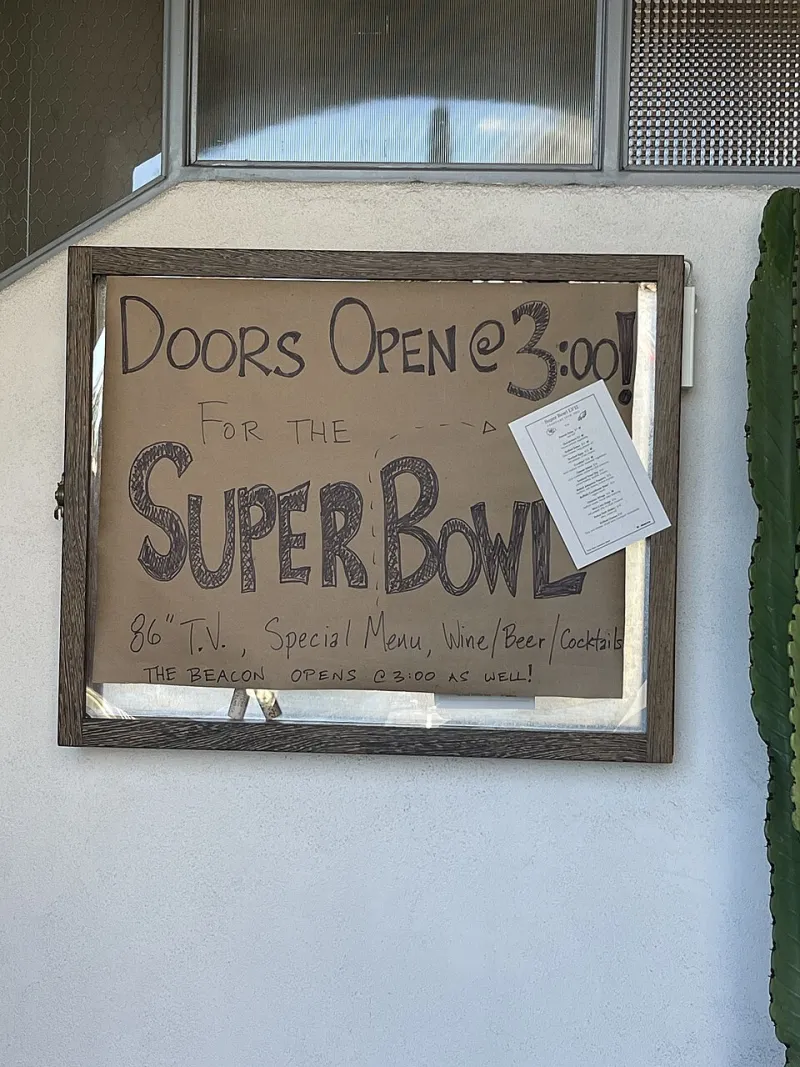
Photo: Missvain, CC BY 4.0, via Wikimedia Commons
Here's a fun party trick for your next marketing meetup: ask a room full of people to name a single Super Bowl ad from this year. Then ask them to name the URL any of those brands sent them to.
The first question gets answers. The second gets crickets.
That's the quiet scandal of big-budget American advertising. Companies spend upwards of $7 million for thirty seconds of national attention, then treat the destination for all that attention as an afterthought — a homepage redirect, a QR code slapped on in the final edit, a link that goes wherever the website happens to point that week. The ad ends. The curiosity doesn't. And then it does, because nobody gave it anywhere to land.
The Attention Doesn't End at the Two-Minute Warning
Think about what actually happens after a Big Game spot airs. Viewers pull out their phones mid-commercial — the second screen is where a huge chunk of the real engagement lives. They search the brand. They replay the ad on YouTube. They see the follow-up tweets and TikTok breakdowns for the next two weeks. Media outlets publish ranked lists of the best and worst spots, driving another wave of curiosity.
That's not a thirty-second window. That's a two-to-three-week tail of interest, and most brands capture almost none of it, because they built their campaign around an airdate instead of a destination.
A regular URL can't adapt. It points wherever it pointed on Sunday night, and it keeps pointing there whether the landing page is relevant or not. An editable, branded short link flips that equation: the destination can change Monday morning, Thursday afternoon, or three weeks later when the retargeting push launches — without reprinting, re-airing, or re-negotiating anything.
What a "Second Screen Strategy" Actually Looks Like
You don't need a seven-figure media buy to steal this playbook. In fact, the smaller your budget, the more every captured click matters. Here's the version that works at any scale.
Wrap the link before the creative is finished. The most common failure isn't a bad link — it's a link added at the last minute, hard-coded into the ad, the flyer, the podcast read, whatever. Build the short link first. Make it branded, make it memorable enough to survive being half-heard on a TV in a loud bar, and make it editable from day one.
Plan the destination arc. Sunday night, the link goes to the hero moment — the full spot, the offer, the thing people saw. By Tuesday, it routes to the retargeting page or the email capture. Two weeks out, it becomes the evergreen landing page. One link, three (or more) lives, and you never had to touch the ad itself.
Track the tail, not just the spike. The Sunday-night click surge is fun to screenshot. The interesting data is what comes after: which markets kept clicking, what time of day the interest peaked, whether the second wave of attention (the YouTube replay crowd) converted differently than the live viewers. That's the report that shapes next year's buy — and it's impossible to get if your link is a dumb redirect.
Give every channel its own link. The spot airing nationally, the social clip, the influencer seeding, the PR push — same campaign, different wrapped links. Now you know whether the $7 million earned its keep or whether the organic clip some creator posted outperformed it, which happens more often than anyone in a boardroom wants to admit.
The Small-Budget Version Works Even Better
Here's the part that should genuinely encourage anyone advertising on a normal human budget: the bigger the spend, the harder it is to fix a broken destination. A national TV spot is locked. The creative is done, the buy is committed, the link inside it is carved in stone.
Your local campaign? Your email blast? Your radio read on the drive-time slot? Those can all point to a link you control completely. You can test the destination before launch. You can swap it mid-campaign when the data tells you to. You can keep it alive for months after the "airdate" — which, for a local business, might be the difference between a one-day spike and a quarter of steady leads.
The Big Game advertisers are buying awareness and hoping the rest takes care of itself. You can buy (or earn) a fraction of that awareness and actually own what happens next.
A Pre-Launch Checklist Worth 90 Seconds
Before any campaign goes live — Super Bowl-sized or diner-sized — run through this:
- Is the link branded and short enough to type after hearing it once?
- Can the destination be changed without touching the creative?
- Does every channel have its own trackable link?
- Is there a plan for where the link points one week and one month after launch?
- Who on the team has edit access, and is that documented?
Five questions. None of them cost anything. All of them separate a campaign that ends when the ad ends from one that keeps quietly working.
The $7 million buys the moment. The link — the right link — buys everything after it. And unlike the airtime, that part is genuinely free.