Episode 14 Is Still Sending Listeners to a Sponsor That Left in 2023
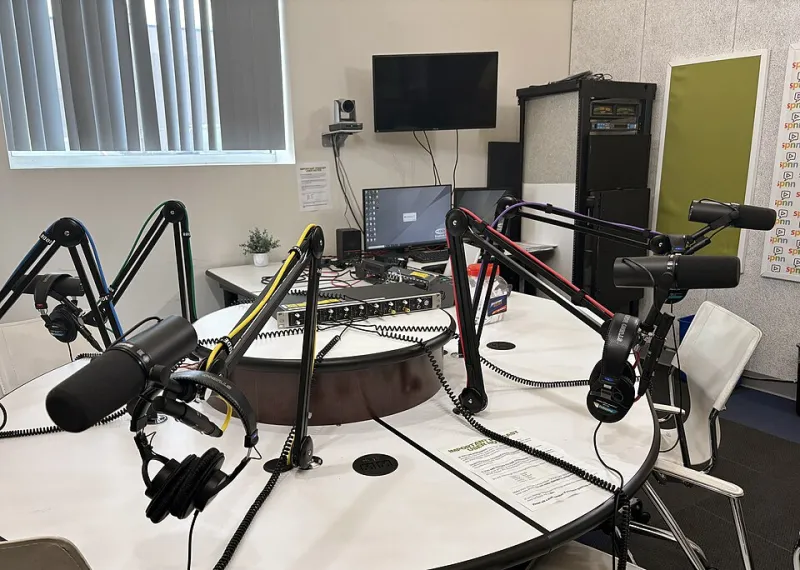
Photo: Myotus, CC BY 4.0, via Wikimedia Commons
There's a strange kind of optimism in podcasting. You publish an episode, promote it for ten days, and mentally file it away. Meanwhile the episode keeps getting downloaded — slowly, steadily, for years — by people discovering the show through search, a playlist, or a guest who linked to it.
Those listeners read the show notes. And in a lot of back catalogs, the show notes are a graveyard.
What's Actually Down There
Pull the show notes from any podcast with more than 50 episodes and you'll find the same four species of dead link.
Expired promo codes. The link works, the page loads, the code was retired in 2024. The listener gets a rejection message and quietly leaves.
Departed sponsors. A company that advertised with you two years ago, whose landing page now redirects to a corporate homepage or a parked domain.
Resource links that moved. The guest's book page, the study you cited, the tool you recommended. Sites get restructured. Slugs change. Nobody tells the podcaster.
Your own links. The episode page from your old host, a merch store you shut down, a newsletter signup with a form that no longer submits.
Here's the part that stings: none of these are invisible. They're on a page that gets real traffic from real people who are, by definition, unusually engaged. Someone who opens show notes and clicks a resource is closer to buying than almost anyone else in your funnel.
Step 1: Export Everything, Ugly and Complete
Start with a spreadsheet, not a tool. Columns: episode number, publish date, link text, target URL, last known status, quarterly clicks if you have them.
If your links were built on a shortener you control, export is a five-minute job. If they weren't, you're about to spend a weekend manually opening pages. That discomfort is the entire argument for the next episode you publish.
Step 2: Rank by Clicks, Not by Episode Number
Most hosts start at episode one and work forward. It's the wrong order.
Sort by traffic. Episodes featuring a well-known guest, or covering a topic with evergreen search demand, will often out-click everything released in the last six months. An episode about "how to negotiate a salary" from 2022 doesn't age. An episode about a specific product launch does.
Fix the top twenty by clicks first. You'll usually capture 70% of the salvageable traffic in an afternoon.
Step 3: Consolidate the Duplicates
After a few years, most shows have the same destination behind a dozen different links — one per episode, one per season, one from a live event. That fragmentation makes reporting useless. You can't tell which episode drives signups when eight redirects land on the same signup form with no distinguishing data.
Consolidate to one short link per destination per show, and use the analytics layer to segment by episode.
Step 4: Fix Without Touching the Audio
The reason this problem never gets solved is that hosts assume a fix means re-recording a host-read ad or re-editing an episode. It doesn't.
If the link in your show notes is an editable short link, you change the destination in the dashboard and the published note updates instantly. No re-upload, no feed refresh, no awkward "as I mentioned back in season two" overdub.
This also handles the case where the sponsor is still around but the offer changed. Same link, new landing page, and the listener never notices anything except that the thing they clicked worked.
One nuance worth knowing: apps and directories cache your feed, but the page your show notes link to is usually yours — or your host's — and that page's contents are live. Keep your redirects off the audio and on the page, and retroactive fixes stay cheap.
Step 5: Measure What Episodes Actually Cause
Downloads are a distribution metric. They tell you who pressed play, not who did anything next. The number that changed how we think about back catalogs is clicks per thousand downloads — a rough conversion rate for show notes.
A 2019 episode pulling 4,000 monthly downloads and 90 clicks is outperforming a new episode with 12,000 downloads and 40 clicks. Same for identifying which guest bookings were worth the effort: the episode with a 6% click-through on a resource link is doing more for your business than the one with the biggest debut week.
Track three things per episode going forward: clicks, click-through rate against downloads, and downstream conversions on the landing page. That's enough to make real booking decisions.
Put a Date on the Calendar
Link rot is not a one-time cleanup. It's a maintenance habit — quarterly is plenty. Twenty minutes, once a quarter, working down the click-ranked list, checking the top fifty links by hand.
Do it in January and again before your biggest sponsorship push of the year. Your catalog is a salesperson who never sleeps and never asks for a raise. It deserves a functioning set of links.