You Can't Outspend the Big Brands on Sunday — But You Can Out-Link Them
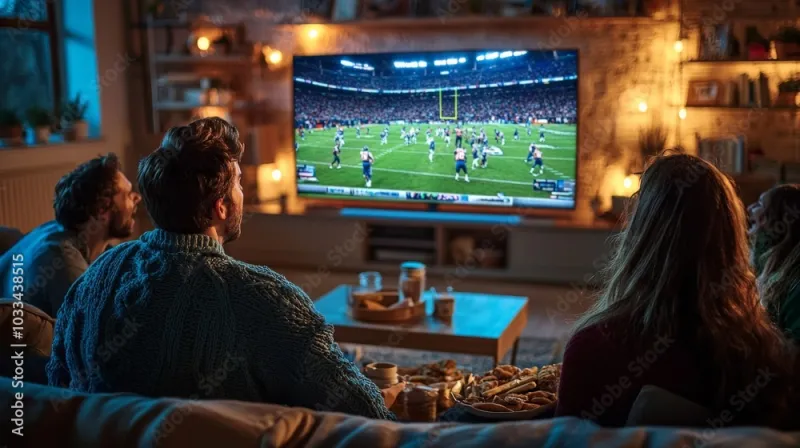
Photo: smartphone watching football game on couch with snacks super bowl party, via as2.ftcdn.net
Every February, the same story plays out. A handful of national brands drop $7 million or more on a single thirty-second ad, and everyone else in marketing watches from the sidelines, convinced the biggest attention window in American advertising is closed to them.
It's not. The Super Bowl doesn't just sell ad slots — it creates a massive, temporary surge of consumer attention across the entire country. People are on their phones. They're clicking things. They're in a buying mood. And unlike a commercial slot, attention can't be bought exclusively. Regional and mid-market brands can stand in that current all weekend long, if their links are ready before kickoff.
The Week Before: Build Your Track, Don't Touch It on Sunday
The single biggest mistake smaller brands make during big cultural moments is improvising. You decide mid-game to run a promo, slap a generic short link on social, and by Monday you have no idea whether it worked.
Instead, treat the 72 hours before the game as your build window. Here's a timeline that actually holds up under pressure:
72 hours out (Thursday): Create dedicated branded short links for every planned touchpoint — one for your game-day email, one for each social platform, one for paid social boosts, one for your SMS list. Distinct links per channel, all pointing to the same landing page. The page itself should already be live and tested.
48 hours out (Friday): Load the destination page with a game-day offer — a code, a bundle, a limited-run item. Set up UTM parameters through your short links so your analytics platform and your link dashboard agree with each other. Test every link on mobile, because that's where 80%+ of your game-night traffic will come from.
24 hours out (Saturday): Schedule your pre-game email and social posts. Double-check that your short links are editable — because something will change, and you'll be glad you don't have to reprint, reschedule, or re-explain anything.
Game Time: Watch the Clicks, Not the Commercials
During the game itself, your job shifts from building to reading. Real-time click analytics are the whole point of this setup — they're your substitute for a $7 million focus group.
Watch three things from the couch:
Which channels wake up. If your Instagram link is quietly generating clicks while your email link sits dormant, you've just learned something about your audience that most brands pay agencies to discover.
When the spikes happen. Big Game attention comes in waves — national anthem, halftime, the close game stretch. If your clicks cluster around halftime, that's your cue to post your next push in the fourth quarter, not after the trophy ceremony.
Where the clicks come from. A regional brand's superpower is geography. If your Dallas-area link is outperforming everything else, you know exactly where to concentrate any last-minute paid spend.
One practical note: because your short links are editable, a mid-game pivot is a two-minute job. Landing page crashed? Swap the destination. Offer converting unusually well? Point a fresh link at a deeper page. None of this requires a developer on standby — just links you control.
Monday Morning: Turn One Weekend Into a Playbook
Here's where most brands leave money on the table. The game ends, the spike fades, and the data gets ignored. Don't do that.
By Tuesday, pull your link report and ask three questions:
- Which channel earned the best click-to-conversion rate? Not the most clicks — the best rate. That's where next quarter's effort goes.
- Did any geography surprise you? Regional brands often discover demand in markets they never deliberately targeted.
- What did the timing tell you? If 60% of your clicks came in a 20-minute window, you now know exactly when your audience is most reachable during live events — knowledge that transfers to the playoffs, award season, and holiday shopping nights.
Then save those short links. They're editable, which means next year's activation starts from a proven template instead of a blank page.
The Real Lesson: Readiness Beats Budget
National brands win the Super Bowl with production budgets that could fund a mid-market company for a decade. But attention itself is un-bid-upon. The people scrolling during halftime don't care whether your brand spent $7 million or $700 to reach them — they care whether what they clicked was worth it.
A branded short link doesn't make your ad better. It makes everything around your ad measurable, fixable, and reusable. That's the part the big spenders can't buy either.
If you take one thing into this year's Big Game weekend, make it this: build your links before the moment arrives, watch them while it's happening, and read the report after it's gone. That's a playbook no media budget can replace.